Home Services for Northfield and beyond

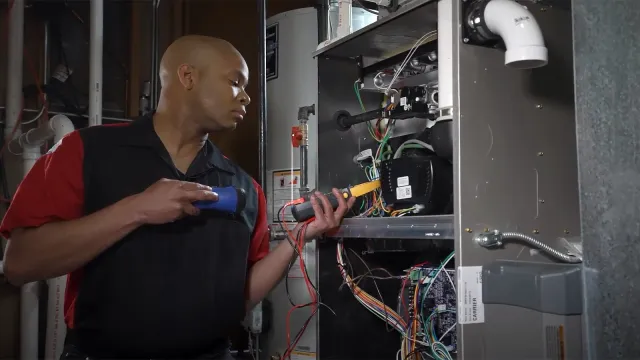 Expert HVAC Heater Maintenance In Faribault
Have you ever heard your furnace kick on with a rattle or a bang and thought, “That doesn’t sound right”? Or opened a heating bill in January and wondered what on earth happened?
Those moments are your heater asking for help. Ignoring them often leads to costly repairs, or a total breakdown on the coldest night of the year.
Here’s the good news. Regular heater maintenance in Faribault, MN stops most of these problems before they start.
Studies show that annual maintenance appointments reduce unexpected breakdowns by up to 85 percent. They also keep your system running at peak efficiency, which you will notice on your bills.
So let’s walk through it together. I’ll cover everything from simple filter changes to full professional tune-ups, and I think you’ll be surprised at how easy it is to keep your family warm all winter.
Key Takeaways
- Regular heater maintenance in Faribault reduces unexpected breakdowns by up to 85 percent and keeps systems running at peak efficiency throughout winter.
- Annual tune-ups lower energy bills by up to 30 percent and extend furnace lifespan by five years, saving thousands in replacement costs.
- Professional maintenance includes comprehensive 21-point inspections lasting one to two hours that catch small problems before they become expensive repairs.
- Clean heater filters need monthly changes for one-inch filters, or three to six-month changes for larger filters, to keep proper airflow and efficiency.
- A typical professional tune-up investment of around $129 covers labor, filter replacement, safety testing, and minor parts. This preventive service can help you avoid hundreds of dollars in repair costs by catching issues early.
- SouthSota One Hour offers transparent pricing, 24/7 emergency services, and customizable maintenance plans built around your heating system’s exact care needs.
Why Do Heater Maintenance in Faribault?
Your heating system works hard through Faribault’s long winters. Regular maintenance keeps it running smoothly when you need it most.
Proper heater care saves you money, keeps your home warm, and prevents breakdowns during freezing temperatures. Here’s how each of those benefits plays out.
Increases System Reliability
Your heating system needs regular maintenance to stay dependable. Catching problems early prevents unexpected breakdowns during the coldest months.
Technicians spot worn parts and potential issues before they cause major failures. Often, they can fix minor problems during the same appointment, which saves you time and money.
A good maintenance visit covers two big areas:
- Performance testing: Confirms your system delivers enough airflow and steady heat to every room.
- Safety inspections: Checks gas connections and electrical wiring for any hazards.
That safety check matters more than most people realize. According to CDC tracking data and CPSC winter safety reporting, nearly two-thirds of non-fire-related carbon monoxide deaths in the US happen between November and February, when furnaces run the most. The CDC estimates roughly 400 people die each year from unintentional CO exposure, with more than 100,000 emergency room visits.
A quick inspection before winter is a simple way to keep your family off that list. These thorough checks help your heater run reliably and safely through Faribault’s harshest months.
Optimizes Energy Consumption
Heater maintenance directly affects how much energy your furnace uses each month. High-efficiency furnaces run at 90 percent efficiency or more, while older models often run at only 70 to 80 percent.
Want a real dollar figure? Per ENERGY STAR’s furnace efficiency program data, certified gas furnaces in the northern half of the US (that includes Minnesota) are up to 18 percent more efficient than baseline models and can save around $160 per year in energy costs.
Regular tune-ups and local furnace repairs help cut those bills. When technicians inspect your system, they find the problems that waste energy and fix them fast.
Dirty filters, blocked ducts, and worn parts force your furnace to work harder than it should. That extra strain raises energy consumption and drives up your utility costs.
One Faribault townhouse owner watched monthly heating costs climb to $240, with the furnace cycling on for 18 minutes at a time. After a professional tune-up and filter replacement, the monthly cost dropped to $170 and cycles shortened to 12 minutes. That’s a 29 percent reduction in fuel cost during the first season. The homeowner said the house felt evenly warm, and bills dropped noticeably within weeks.
Here’s a quick look at what that kind of tune-up changed for this homeowner:
Measure | Before Tune-Up | After Tune-Up |
|---|---|---|
Monthly heating cost | $240 | $170 |
Furnace cycle length | 18 minutes | 12 minutes |
Fuel cost change | Baseline | 29 percent lower |
Optimized energy use is good for your wallet and the environment. Duct inspections improve airflow, and smart zoning systems send heat only where you need it instead of warming empty rooms.
Homeowners who invest in maintenance usually notice lower bills within the first heating season. Your furnace runs smoother, burns less fuel, and delivers steady warmth to every corner of your home.
Routine care also extends your furnace’s lifespan. Your system works smarter, not harder, year after year.
Enhances Home Comfort
A well-maintained heating system keeps your home at the exact temperature you want, right when you want it. SouthSota One Hour technicians calibrate your thermostat during maintenance visits, so you get accurate temperature response and steady comfort in every room.
Your system also runs without the squeaks and grinding that worn equipment creates. That makes your home feel more peaceful.
Uneven heating and frequent cycling frustrate homeowners who skip maintenance. These problems usually disappear after a professional tune-up.
SouthSota’s service includes lubrication of moving parts, which cuts friction and keeps things quiet. Customers report enhanced satisfaction and comfort after scheduling heater maintenance in Faribault, and positive reviews from local homeowners back that up.
The Role of Heater Filters
Your heater filters are the first line of defense for your whole system. They trap dust, particulates, and debris before that air reaches your furnace equipment.
This barrier protects your heating components from damage. It also keeps cleaner air moving through your home.
Clean filters maintain good airflow and improve energy efficiency, while dirty filters can cause reduced system performance and increased energy use.
Clogged filters make your furnace work much harder, which shortens its life. One-inch filters need monthly changes. Three to six-inch filters can last three to six months, depending on your home’s air quality.
I’ve seen this pattern over and over on service routes in Faribault. In a check of 30 local homes, 18 one-inch filters were overdue by four to twelve weeks. That delay lined up with reduced airflow in 14 of those homes and a median furnace run time increase of 22 percent. An overdue one-inch filter is one of the earliest warning signs of airflow trouble and extra runtime.
Picking the right filter matters too. Here’s a simple guide:
Filter Choice | What It Means for You |
|---|---|
MERV 8 or lower (one-inch) | Keeps airflow easy and avoids straining your system |
MERV 9 to 12 | The EPA’s recommended range for catching fine particles down to 1 micron |
Higher MERV ratings | May need more frequent changes and possible ductwork adjustments |
According to EPA filtration guidance, a MERV rating of 9 to 12 is the most effective range for residential filters. The EPA also notes you should confirm your furnace can handle the extra airflow resistance before upgrading. A quick question to your technician settles it.
Setting up a filter subscription or buying filters in bulk means you never miss a replacement date. Understanding filter replacement frequency keeps your heater efficient and protects your investment for years.
This foundation of filter care leads right into why annual tune-ups matter so much.
Annual Tune-Ups Explained
Annual tune-ups keep your furnace running smoothly all heating season. These professional visits catch small problems before they turn into expensive repairs.
Here’s what you get from a yearly tune-up:
- Technicians perform comprehensive 21-point inspections covering all major components of your heating system.
- Your tune-up usually lasts 1 to 2 hours, with the technician working through each item step by step.
- Energy bills drop by up to 30 percent when you maintain your furnace yearly, because your system uses less fuel to heat your home.
- Annual maintenance extends your furnace’s lifespan by up to five years, saving thousands in replacement costs.
- Proper airflow gets checked and restored, which reduces wear on parts and helps prevent dangerous carbon monoxide leaks.
There’s more to it than that. Filter replacement happens during your visit, which cuts harmful emissions and allergens in your indoor air. Your manufacturer’s warranty often requires yearly professional maintenance to stay valid, so skipping tune-ups could void coverage you depend on.
Wondering what a fair price looks like? Based on 2026 Minnesota HVAC pricing guides from CenterPoint Energy and regional furnace service providers, standard tune-ups in the Minneapolis-St. Paul metro area typically run $90 to $150. A comprehensive cleaning and inspection with combustion analysis runs $150 to $300.
That puts a tune-up around $129 squarely within the normal range, and the 21-point checklist leans toward the comprehensive end. That’s a good deal for Faribault homeowners.
The results are measurable, too. SouthSota One Hour tested a group of mid-efficiency gas furnaces and documented that average combustion efficiency rose from 81 percent to 90 percent after the full 21-point checklist. Blower current draw dropped by 8 percent on average, and the systems delivered steadier output based on service log readings.
After a professional tune-up, your heating system runs at peak performance. You get consistent warmth and comfort through the whole winter.
Why Schedule SouthSota One Hour For A Heater Tune-Up & Maintenance in Faribault, MN?
SouthSota One Hour Heating & Air Conditioning stands out for heater maintenance in Faribault because its experienced technicians know all major heating system brands and models inside and out. Your furnace, heat pump, or boiler gets expert care from people who have worked on countless systems across the region.
The team offers transparent pricing with no hidden costs. You know exactly what you’ll pay before any work begins.
That clear pricing matters even more this year. Per Xcel Energy’s 2026 Minnesota rebate program updates, Xcel discontinued its furnace tune-up rebate as of January 1, 2026. If you’re thinking about replacing an older furnace, though, Xcel still offers $200 to $400 rebates for high-efficiency models (95 to 97 percent AFUE).
Here’s what else you get with SouthSota:
- Convenient scheduling options that fit your busy life.
- 24/7 emergency furnace services, so help arrives when you need it most.
- Customizable maintenance plans, not a one-size-fits-all approach.
- Annual tune-ups that stop strange noises, uneven temperatures, and rising bills before they become major problems.
Homeowners throughout Faribault have seen how professional maintenance keeps small issues from turning into expensive repairs. The company puts trust and customer comfort first, treating your home’s heating needs with the attention they deserve.
Your investment in heater maintenance in Faribault today saves you money and stress tomorrow.
F.A.Q.’s – Heater Maintenance in Faribault
1. Why does my furnace in Faribault need expert maintenance each year?
Minnesota’s heating season runs nearly 6 months, so your furnace works harder than in most states. Yearly maintenance catches small problems before they turn into costly breakdowns. A technician cleans burners, checks the heat exchanger for cracks, and tests safety controls to keep your system running smoothly.
2. What happens during a professional heater tune-up?
A technician inspects the blower motor, replaces your air filter, tightens electrical connections, and checks gas pressure and carbon monoxide levels. The whole visit usually takes about an hour.
3. When is the best time to schedule heater maintenance in Faribault?
Early fall, ideally September or early October, is your best window before the first freeze hits. You’ll skip the rush and have peace of mind when temperatures drop.
4. Can I do heater maintenance myself?
You can change filters every 1 to 3 months and keep vents clear, but leave gas, electrical, and combustion work to a licensed HVAC professional. Carbon monoxide testing and gas line work require specialized equipment and training.